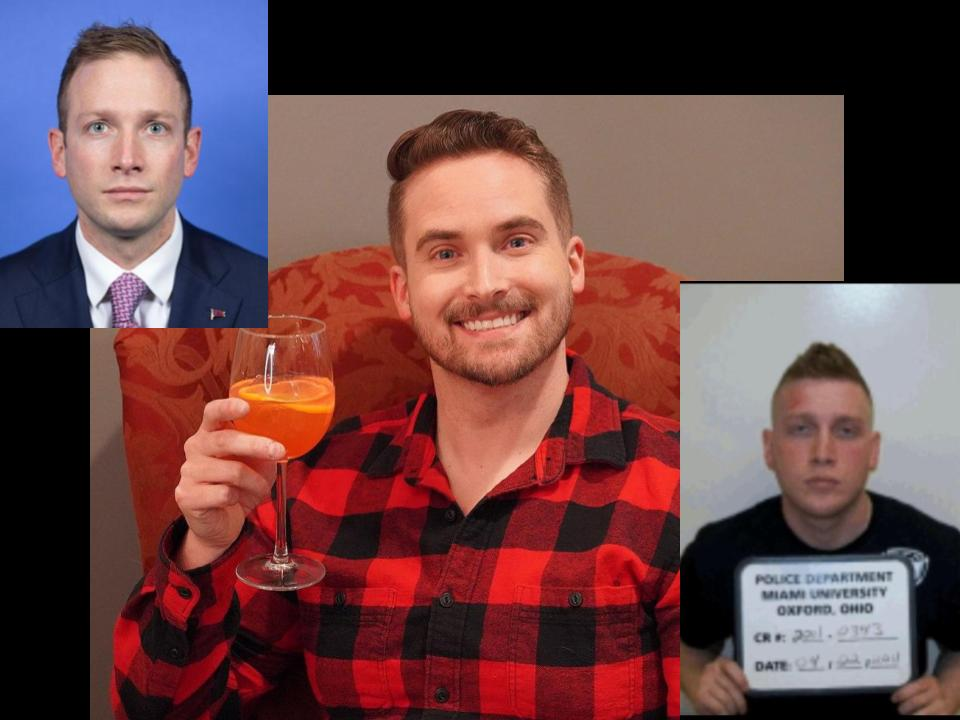
Congressman Max Miller has a bold plan for Cleveland: send in the National Guard. Not because there’s an emergency. Not because city leaders asked for help. Not even because Cleveland is in his district—it isn’t.
Miller wants military troops on city streets because it looks tough on camera. It grabs headlines. It fills up his campaign war chest with donations from people who think he’s fighting crime.
But here’s the truth: this isn’t about fighting crime. It’s about fighting for attention. And it shows exactly how some politicians treat serious problems like props in their personal TV show.
The Performance
Miller’s act follows a simple script. Cleveland is out of control. Local leaders are too weak to handle it. Only military force can save the day. He even wrote a newspaper column demanding troops, filled with tough-guy language about “taking back the streets.”
Governor Mike DeWine shut down the idea immediately. Cleveland’s mayor pointed out that police are already working with federal agents to tackle violent crime. City council members called Miller’s plan exactly what it was: a show from a congressman who doesn’t even represent Cleveland.
But Miller already got what he wanted. The headlines. The TV interviews. The chance to look “tough on crime” without actually doing anything about crime.
The Playbook
This isn’t just Miller being Miller. It’s part of a bigger strategy used by politicians across the country: create dramatic images, dominate the news, and distract people from real problems.
Think about those federal immigration raids you see on TV. Agents wearing masks and military gear. Faces hidden. The whole scene designed to look intimidating rather than professional. California recently banned most officers from covering their faces because this kind of theater was getting out of hand.
It’s always the same formula: scare the public, excite your supporters, grab the cameras. Whether it actually solves anything doesn’t matter. What matters is the footage.
Why This Is Dangerous
Here’s something important to understand: soldiers are not police officers. Soldiers are trained to fight enemies and win wars. Police are trained to protect citizens and uphold the law. When you mix them up, bad things happen.
Washington D.C. learned this lesson the hard way in 2020. When military units got involved in civilian policing, it created confusion, led to excessive force, and violated people’s constitutional rights. Lawsuits from that mess are still working their way through the courts.
That’s exactly why we have laws limiting when the military can act like police inside America. When soldiers start treating citizens like enemy combatants, we stop being a free society.
What Cleveland Actually Needs
Real solutions to violence aren’t flashy. They don’t make for good TV. They take time, money, and actual work.
Cleveland needs better witness protection so people feel safe testifying when they see crimes. It needs focused police work targeting the small groups of repeat offenders who cause most of the violence. It needs investment in schools so kids see better options than street life—something Ohio has failed at, ranking 46th in the country for education fairness.
The city also needs better mental health services and drug treatment programs to address the root causes of violence, not just the symptoms.
None of these solutions involve military vehicles rolling down city streets. All of them require patience, funding, and leaders who know what they’re doing—qualities that seem to be in short supply with Miller.
Ohio’s Decline
While Miller plays soldier, Ohio is sliding toward the bottom of the pack. In the 2025 U.S. News rankings, the state came in 38th out of 50 overall—meaning only twelve states did worse. The details are just as bleak: 39th in the economy, 34th in healthcare, 38th in education, 30th in infrastructure, 30th in crime and corrections, and 41st in environment.
This fall wasn’t inevitable. In 2010, Ohio, schools were ranked 5th best in the entire nation. Wages have baerly kept pace with inflation and we’ve lost 300,000 good paying manufactureing jobs. Fifteen years later, we’ve plunged by almost every metric. That drop reflects deliberate choices—funding cuts, neglect, and leaders who looked away while outcomes collapsed.
Miller could focus on any of these real crises. Instead, he’s selling a military fantasy that won’t fix schools, won’t grow the economy, and won’t improve people’s lives.
The Real Damage
Miller’s stunt hurts Ohio in four specific ways:
Wasted time that should go toward actual solutions.
Undermined leadership by attacking officials who are trying evidence-based approaches to crime.
Damaged trust by treating regular citizens like they’re enemy soldiers.
Dangerous precedent by normalizing the idea that politicians can call for military action whenever they want a photo opportunity.
And when nothing improves? Miller will blame someone else. That’s the beauty of political theater—you can fail without taking responsibility.
Questions Every Voter Should Ask
Before any politician demands troops in American cities, they should be able to answer these basic questions:
What law gives them the right to do this?
What specific goals are they trying to achieve?
Who’s going to pay for it?
How will they measure success?
What happens if it makes things worse?
If they can’t answer these questions clearly, they’re not proposing policy. They’re just performing.
Ohio’s Choice
Ohio voters have a clear choice to make. We can reward politicians who dress up and put on shows, or we can demand leaders who actually solve problems.
Real leadership means making boring investments in schools, training detectives, and funding programs that take years to show results. It means treating complicated problems seriously instead of turning them into campaign commercials.
Miller chose the photo op. Ohio deserves leaders who choose results.
Military patrols won’t fix our schools. Troops in the streets won’t grow our economy. Political theater won’t help working families pay their bills or give their kids a better future.
But it will get Max Miller on television. And apparently, that was the only mission he really cared about completing.